

The AI-Generated Leader Issues Set New Rules for the Strait of Hormuz + Confiscation of Properties Continue

Eviction Notices Issued to Displaced Families
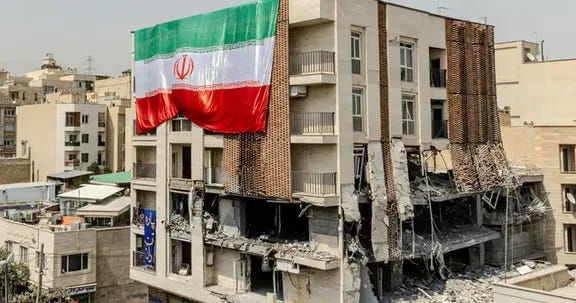
Several citizens displaced by the Forty-Day War, who have been staying in hotels due to the destruction of their homes, have been ordered to evacuate by the end of this week. The eviction notice, issued by the Tehran Municipality’s Crisis Management Organization, comes even though many have no safe housing to return to.
According to the newspaper Etemad, those ordered to evacuate are residents of the Zarrabkhaneh, Resalat, and Vanak neighborhoods. Following attacks on buildings adjacent to their residences, their homes and belongings suffered extensive damage, rendering them uninhabitable. None of these citizens currently have the financial means to rebuild or replace their lost possessions. Despite this, they have received oral rulings stating that there is no set timeline for the payment of home-furnishing subsidies and that the municipality will not currently provide deposits or rent for alternative housing.
Regime Continues to Confiscate Properties of Critics and Opponents
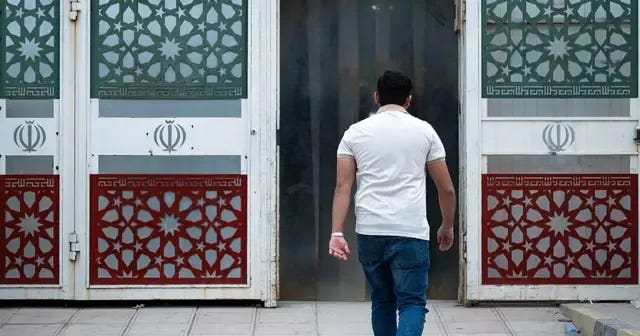
“I was the Sharia judge; I sewed it, and I tore it myself. I confiscated, and I executed myself.” These words were spoken by Sadeq Khalkhali, the man responsible for thousands of post-1979 executions, who died without ever standing trial after he was disqualified from the fourth parliamentary elections.
Decades have passed, and now Gholam-Hossein Mohseni-Ejei, the Chief Justice, daily orders the seizure of dissidents’ property under the guise of “fighting the enemy” and “for the benefit of the nation.” This occurs as the Islamic Republic’s record of killings and executions mirrors the Khalkhali era once again.
The legalization of asset forfeiture was initiated by Ruhollah Khomeini less than a month after his return to Iran, targeting the Pahlavi dynasty and their “agents,” supposedly for the “downtrodden,” but ultimately lining the pockets of those consolidating power.
Iran’s War Victims Told to Rebuild Homes Themselves
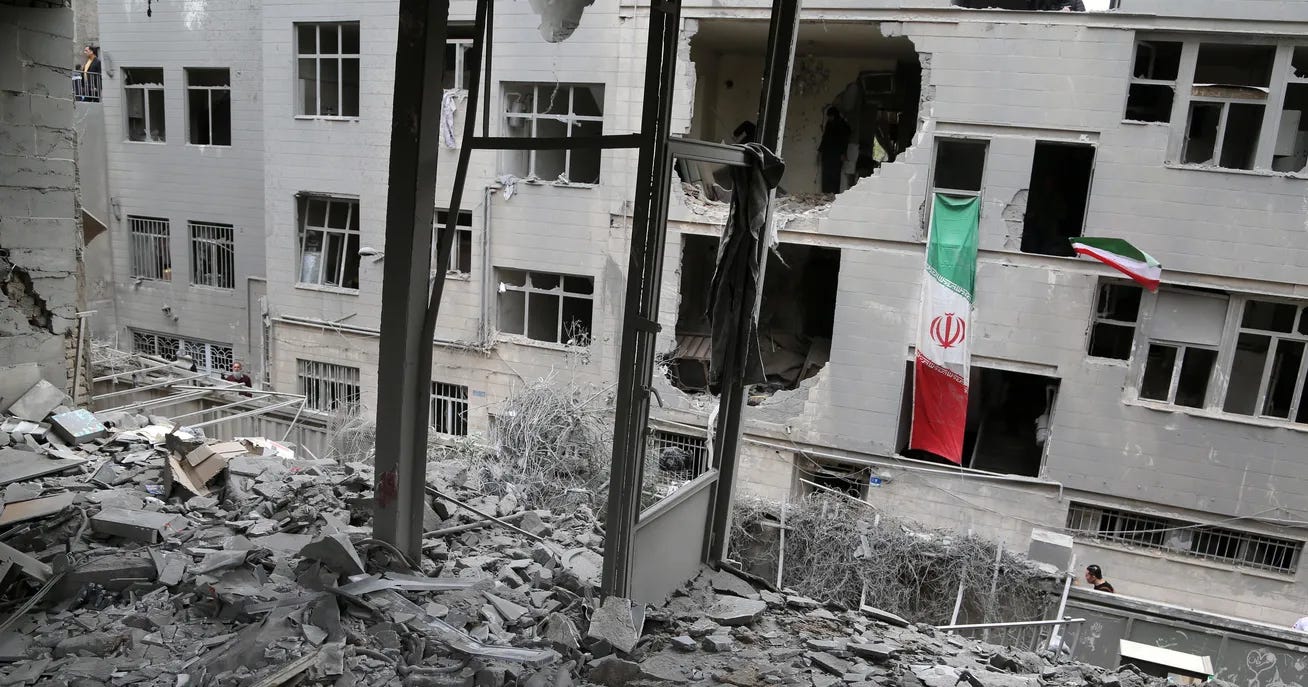
The recent 40-day war between Iran, the U.S., and Israel, now under a ceasefire, has damaged at least 100,000 residential units across Iran. Thousands of families in different cities have been left homeless. But information obtained by IranWire shows that, at least in Tehran, the municipality appears to be prioritizing repairs for war-damaged buildings located in “prominent” areas.
Citizens whose homes were damaged say the places arranged for their temporary shelter are mostly on lands confiscated during the Shah’s era. These facilities, presented as hotels or temporary housing for war victims, lack basic living conditions. As a result, many families have chosen to stay with relatives, even though they have officially been given accommodation.
Mojtaba Khamenei: Iran to Apply “New Legal Rules” in Hormuz
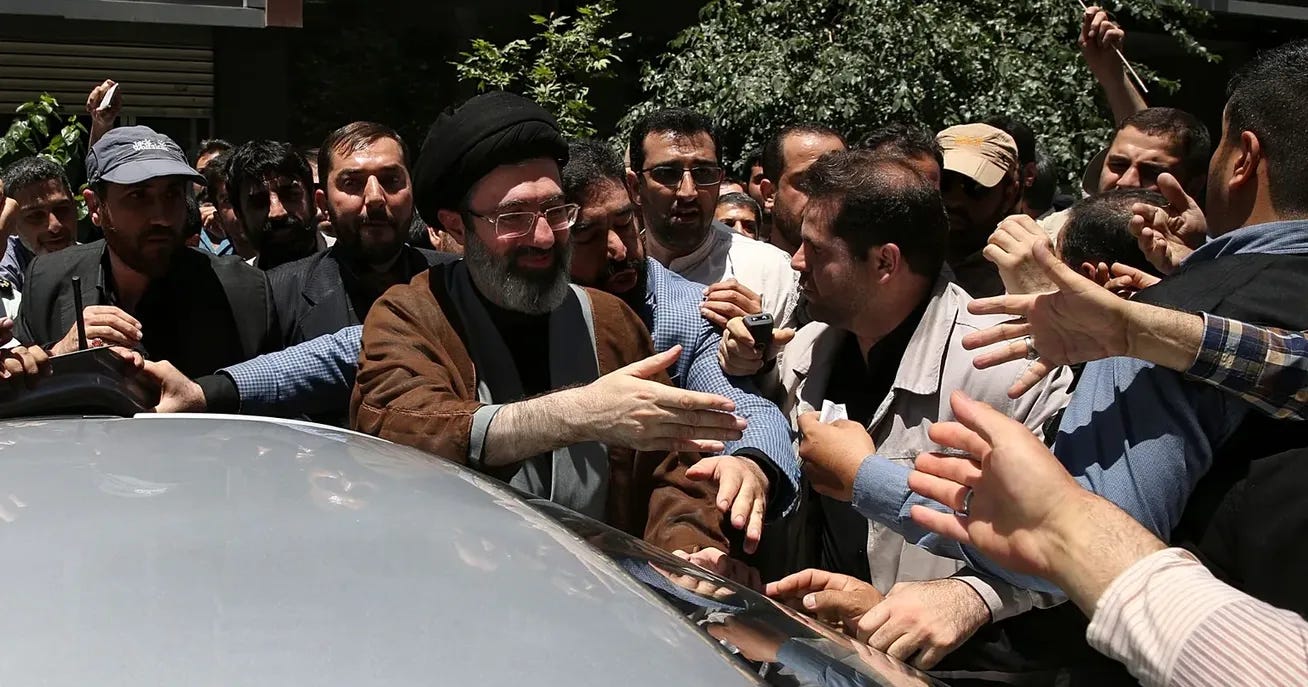
In a “written” statement marking “National Persian Gulf Day,” the third leader of the Islamic Republic said Iran will take a more active role in maintaining security and order in the Strait of Hormuz under its framework of “new management.”
He described the Persian Gulf as part of Iran’s and the region’s historical identity, and said the presence of foreign powers, especially the United States, has been the main cause of instability and insecurity over the past decades.
Referring to the conflicts in the Persian Gulf over the last two months, he praised the Navy and the IRGC for confronting what he called “foreign aggression.” He said recent developments have shown that regional countries do not need foreign forces to secure themselves.
Iran Ranks 177th in Global Press Freedom Index
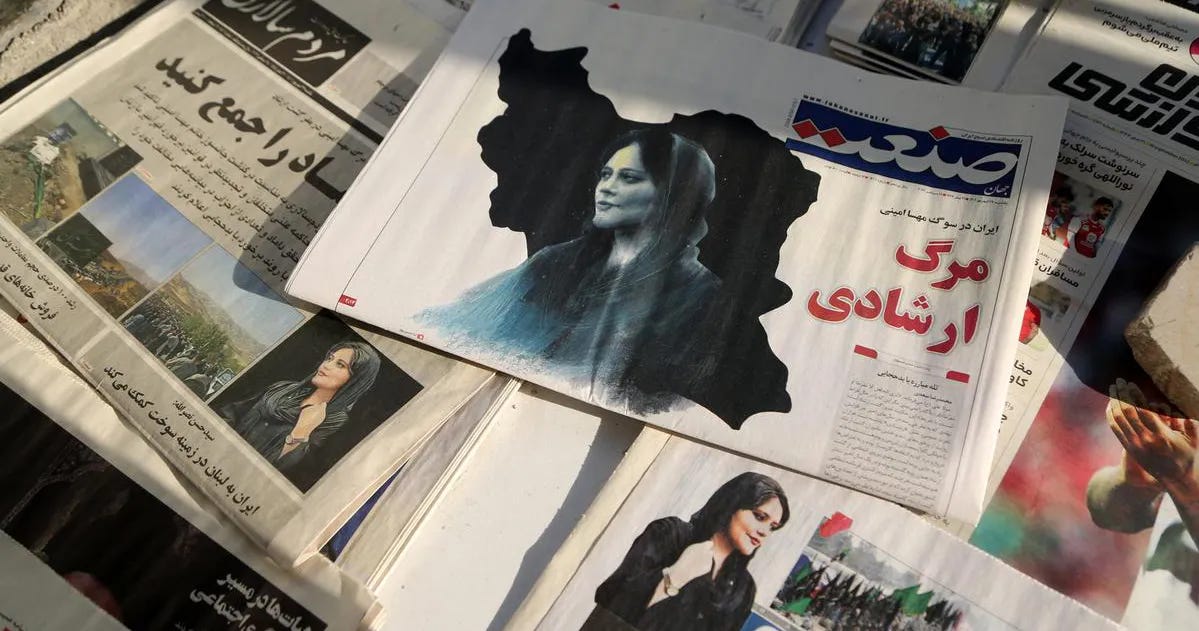
Reporters Without Borders (RSF) announced in its latest annual report that Iran has dropped one place in the World Press Freedom Index compared to last year, ranking 177th out of 180 countries and territories.
According to the report released today, Iran remains alongside China, North Korea, and Eritrea in the group of countries with the lowest levels of freedom for media and journalists. The organization emphasized that, for the first time in 25 years, more than half of the world’s countries are in a “difficult” or “very serious” situation regarding media freedom.
In these rankings, Norway topped the list for the tenth consecutive year as the freest country for journalists, followed by the Netherlands and Estonia. Reporters Without Borders identified the primary cause of the global deterioration as increased legal and judicial pressure on reporters, warning that many governments are imposing stricter restrictions on media by citing national security or anti-terrorism laws. Meanwhile, Syria recorded the most significant improvement on the list, climbing 36 places following recent political developments. The top 19 countries on the list are all European. Among them, Germany, ranked 14th, saw a three-place drop from last year and is now categorized as “satisfactory.”
The annual Reporters Without Borders index ranks 180 countries and territories based on security, political structure, legal framework, and the economic and social conditions that impact media freedom.
Trial by Email: New Pressure on Iran University of Science and Technology Students
The Student Rights Defense Working Group at the Iran University of Science and Technology (IUST) has reported that a number of students have recently received text messages demanding that they submit their legal defense via email by May 2.
These messages were sent to students who participated in campus rallies during the January protests. The demand for an “email defense” comes while universities have been operating remotely for months and Iranian users have been cut off from the internet for over two months. Furthermore, this procedure contradicts the 2024 disciplinary code.
The IUST Student Rights Defense Working Group emphasized that, according to disciplinary guidelines, once a case is filed, a student must first be informed of the charges in person and then attend an in-person defense hearing. Additionally, a note in Article 82 of these regulations states that holding hearings remotely or via telephone and issuing verdicts based on such proceedings lacks legal validity.
Student activists view this move as a sign of continued disciplinary pressure on students within the current securitized environment.
Economic Crisis Deepens as Bank Melli Gets New Chief
Seyed Ali Madanizadeh, the Minister of Economic Affairs and Finance, has issued separate decrees appointing Mousa Rezaei as the acting head of Central Insurance and Mohsen Seifi Kafshgari as the acting CEO of Bank Melli Iran.
The new head of Bank Melli, Mohsen Seifi Kafshgari, previously served as the CEO of Bank Saderat Iran and is considered an experienced manager within the country’s banking system.
The dismissal of the previous CEO has triggered a wave of reactions within the banking sector. Some sources claim that the replacement of CEOs at state-owned banks requires formal approval from the Central Bank of Iran. Reports suggest that the Central Bank has yet to grant final confirmation for this transition, creating legal ambiguity surrounding the appointment process.
Justice Chief: No Mercy for Enemy Agents
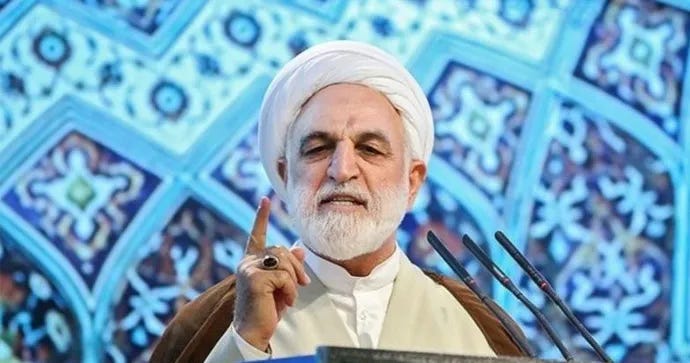
The Chief Justice of the Islamic Republic, Gholam-Hossein Mohseni-Ejei, has once again issued a threatening statement, declaring that the judiciary “will certainly not falter or show leniency in the legal trial and punishment of those criminals whose hands are stained with the blood of our people.”
According to the Mizan News Agency, Ejei, whose name appears on international lists of human rights violators in Iran, stated: “One of the rightful demands [of the people] is the swift, precise, and just prosecution, trial, and punishment of the infantry elements of the aggressor enemy.
Iran Executes 21-Year-Old Protester Sasan Azadvar
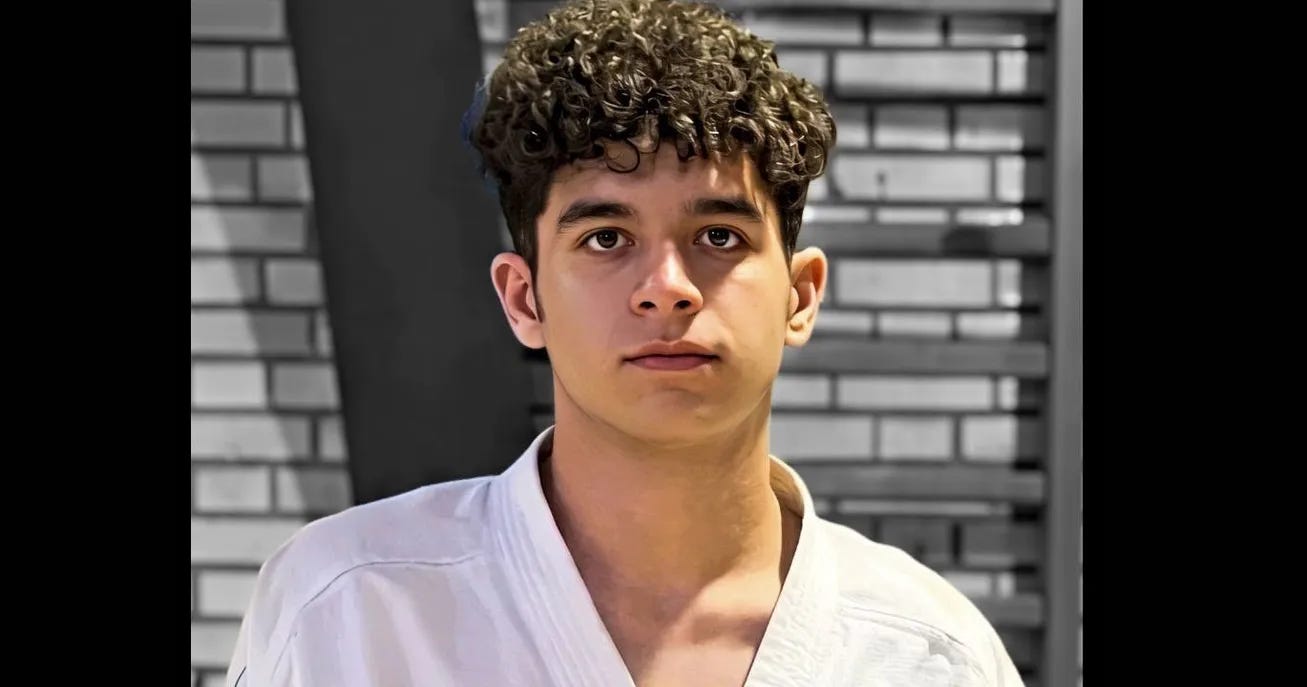
The judiciary media of the Islamic Republic announced that the death sentence for Sasan Azadvar, one of the protesters detained during the January protests, was carried out at dawn on Thursday, April 30.
This verdict was issued by Branch 1 of the Isfahan Revolutionary Court, presided over by Judge Barati, and was communicated to his lawyer on April 20, 2026.
Relatives of Sasan Azadvar, a 21-year-old karateka from Isfahan, stated that the sentence was upheld by the Supreme Court after an appeal was filed.
During this period, he was held at Dastgerd Prison in Isfahan. The Mizan news agency, the judiciary’s official outlet, claimed that he “intended to attack law enforcement officers,” but that the attack was “unsuccessful.”
Sasan Azadvar held titles as a regional champion in Isfahan’s provincial karate competitions. His family had been called for a final visitation on Wednesday.
Three Death Row Inmates Transferred from Urmia Prison to Unknown Locations
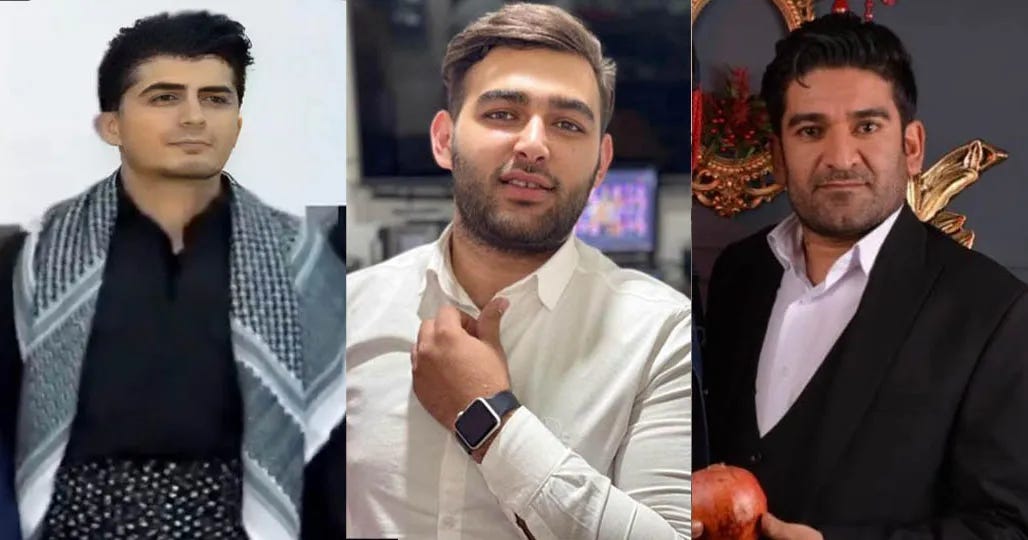
According to the report, on the morning of Thursday, April 30, Naser Bakrzadeh, Karim Yaghoubpour, and Mehrab Abdollahzadeh, all sentenced to death, were moved separately from the prison to undisclosed locations.
KHRN, quoting an informed source, stated: “This morning, Naser Bakrzadeh, along with two other political prisoners, was summoned to the prison’s execution office to meet with an official from the Public and Revolutionary Prosecutor’s Office. After the meeting, the other two prisoners returned to their ward, but Naser Bakrzadeh was taken out of the prison in a refrigerated vehicle and moved to an unknown location.”
Regarding Karim Yaghoubpour, the source noted that he was taken out of the prison this morning under the pretext of being sent to the Medical Examiner’s Office and has not yet returned.
Another Sharif University Student Arrested
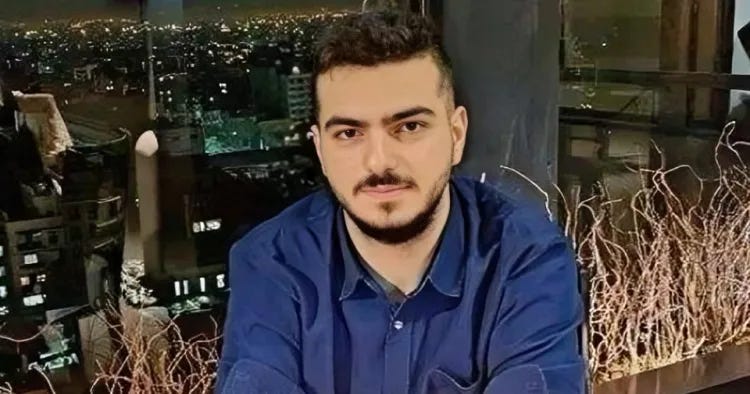
Ali Alirezaei, an undergraduate mathematics student from the 2023 class at Sharif University of Technology, was arrested on April 28. According to a report published by the “United Students” Telegram channel, amid a continuing wave of student arrests and intimidation, Ali Alirezaei was taken into custody on Sunday.
While some students arrested at the university in recent days have been released on bail pending trial, student sources report that Mostafa Mohammad-Hassan, a graduate student in Philosophy of Science at the same institution, remains in detention.
Previously, Fariborz Kohanzad, an undergraduate electrical engineering student from the 2021 class at Sharif University, was arrested by security forces and moved to an undisclosed location. There has been no further news regarding his status or whereabouts.
41-Year-Old Baha’i Woman Detained Without Charges in Iran
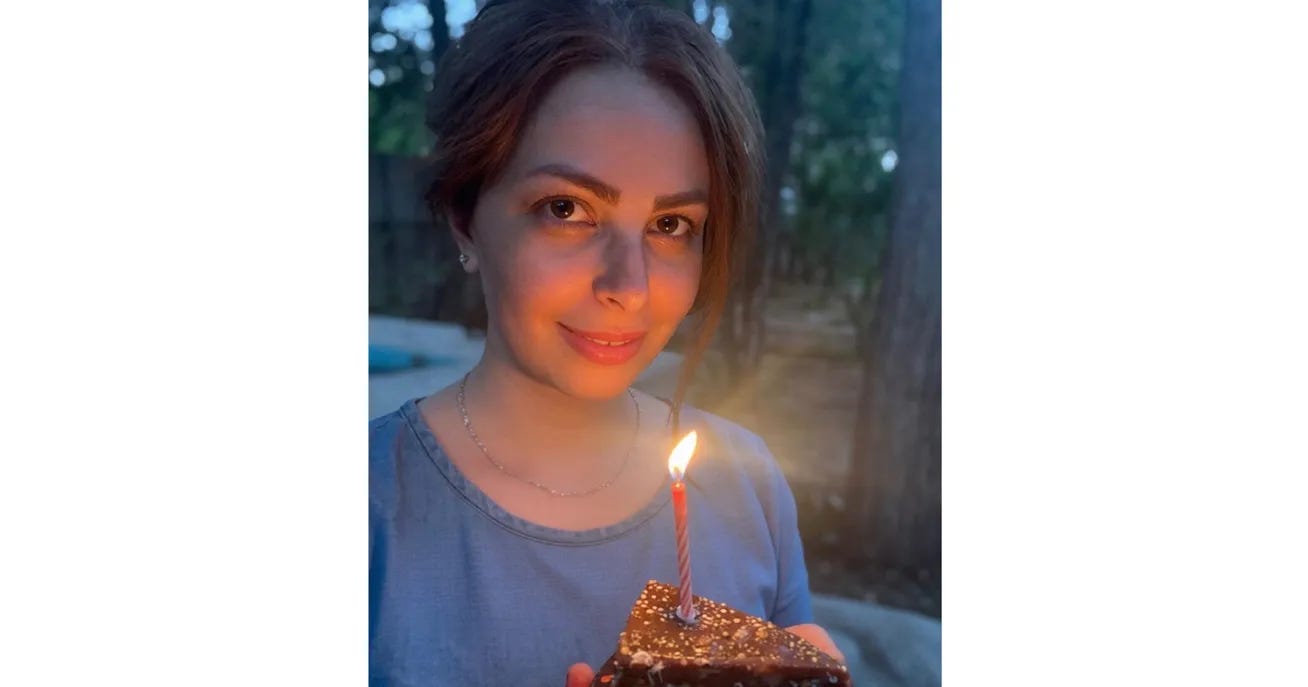
Twenty-one days after her arrest, Sara Sepehri, a 41-year-old Baha’i citizen, remains in legal limbo at Adelabad Prison in Shiraz, held without any specified charges. Ms. Sepehri was arrested by security agents at her private residence in Shiraz on Thursday, April 9.
According to an informed source, Sepehri has had several brief telephone conversations with her mother over the past three weeks. Notably, her mother lives with a disability and requires constant care. Before the arrest, Sara was her primary caregiver.
Furthermore, Sara Sepehri herself has been under medical supervision, and the pressure of detention, combined with related stress, could seriously jeopardize her health. Despite these concerns, there is currently no information regarding the status of her case or the duration of her detention order.
Over 10,000 People Sign Petition to Investigate Pro-Regime London-Based Activist
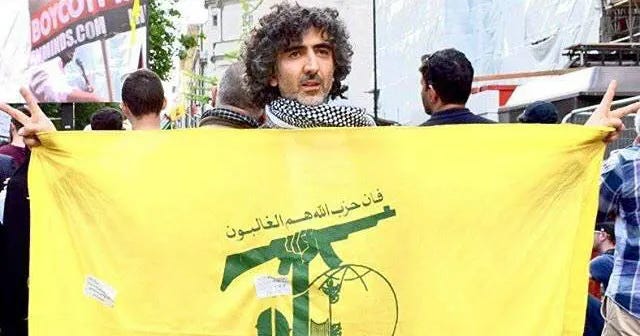
A group of activists and social media users in the United Kingdom has launched a Change.org petition calling for a formal investigation into the activities and statements of London-based political analyst Ali Alizadeh under the country’s counter-terrorism laws.
The petition says some of his public positions and comments on social media and in the press should be examined under UK security laws, especially rules related to support for proscribed, or banned, groups.
One section of the petition says Alizadeh has repeatedly used his public platforms to defend the Islamic Republic of Iran, support Hezbollah, express antisemitic and anti-American views, and publicly align himself with the Islamic Revolutionary Guard Corps (IRGC). It also says he has made statements involving threats and calls for the escalation of violence.